

 गोविंद बल्लभ पंत अस्पताल



DEPARTMENT OF GASTROINTESTINAL SURGERY
Faculty:
Dr Hirdaya Hulas Nag- Director Professor and Head
Dr Sundeep Singh Saluja- Director Professor
Department Profile
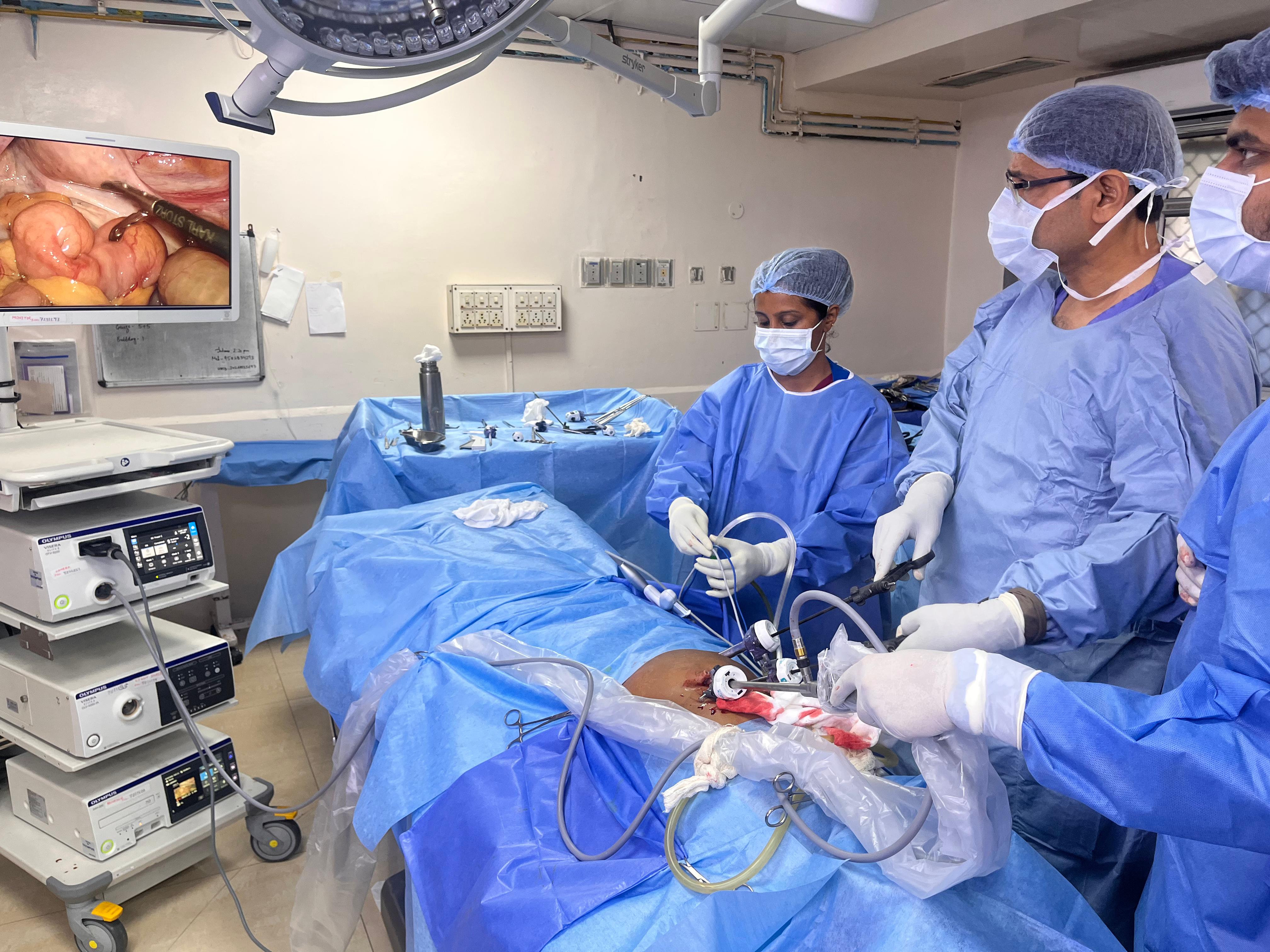
Established in May 1986, the Department of Gastrointestinal Surgery has grown from modest beginnings into a premier centre of excellence in Surgical Gastroenterology. The department is widely recognised for managing complex liver, biliary, pancreatic and other gastrointestinal cancers, and serves as a preferred referral centre for complicated gastrointestinal diseases, with a steadily increasing caseload from regional and non-regional health-care facilities. Remaining at the forefront of innovation, the department was among the early adopters of minimally invasive techniques and routinely performs advanced laparoscopic procedures, including liver resections, gallbladder cancer surgeries and pancreatic cancer surgeries, enabling faster recovery and improved outcomes. Through sustained focus on innovation, patient-centred care and clinical excellence, the department has earned a distinguished reputation nationally and internationally.
OUTPATIENT DEPARTMENT (OPD)
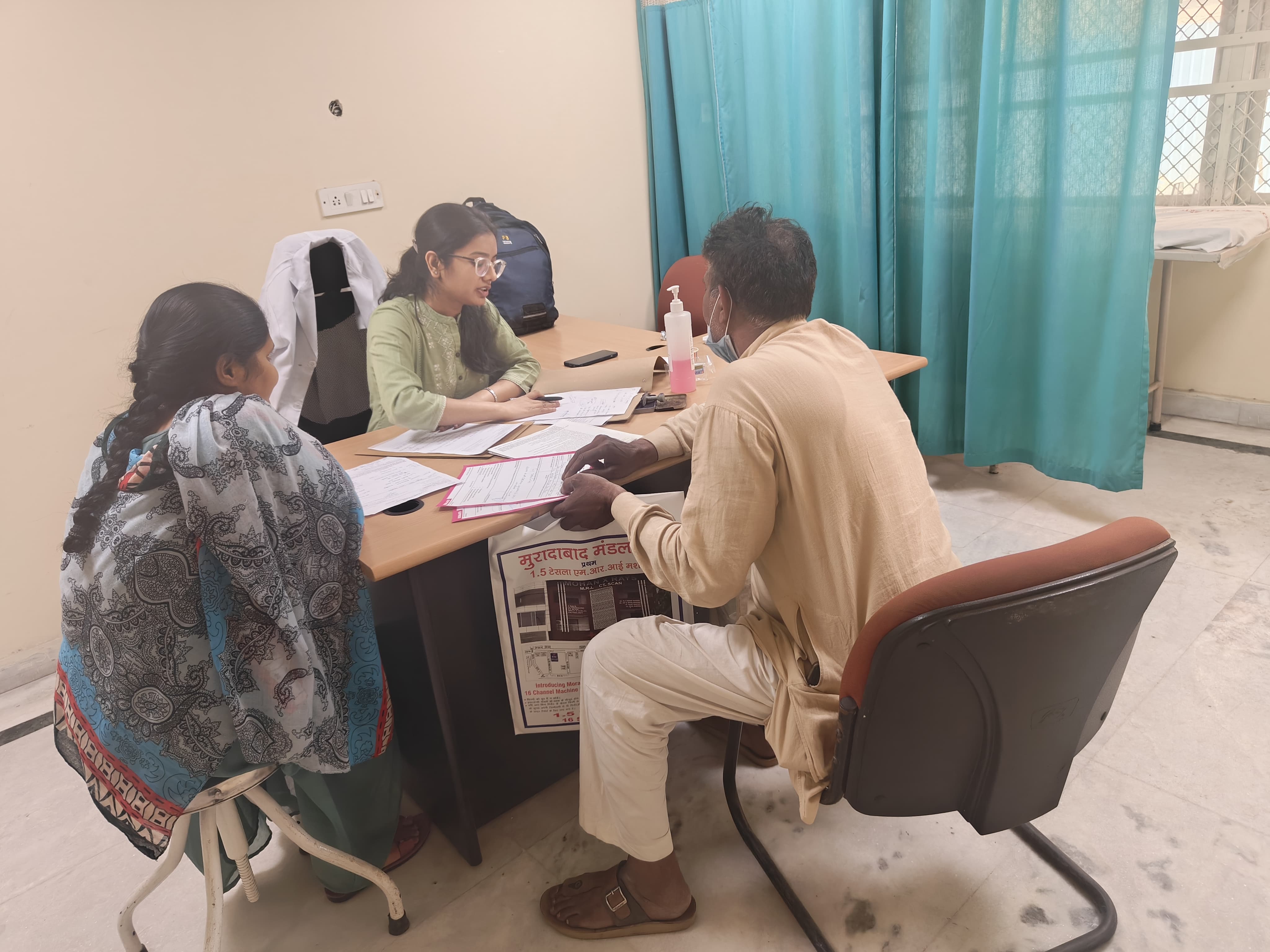
The GI Surgery OPD has adequate consultation rooms for regular and special clinics.
The Department of Gastrointestinal Surgery runs regular OPDs for referred and direct patients, with approximately 20,000 patient visits annually.
In addition to routine clinics, the department conducts the following special clinics:
- Liver Transplantation
- Hepatobiliary Cancer
- Pancreas
- Portal Hypertension
- Minimally Invasive Surgery
INPATIENT DEPARTMENT (IPD)
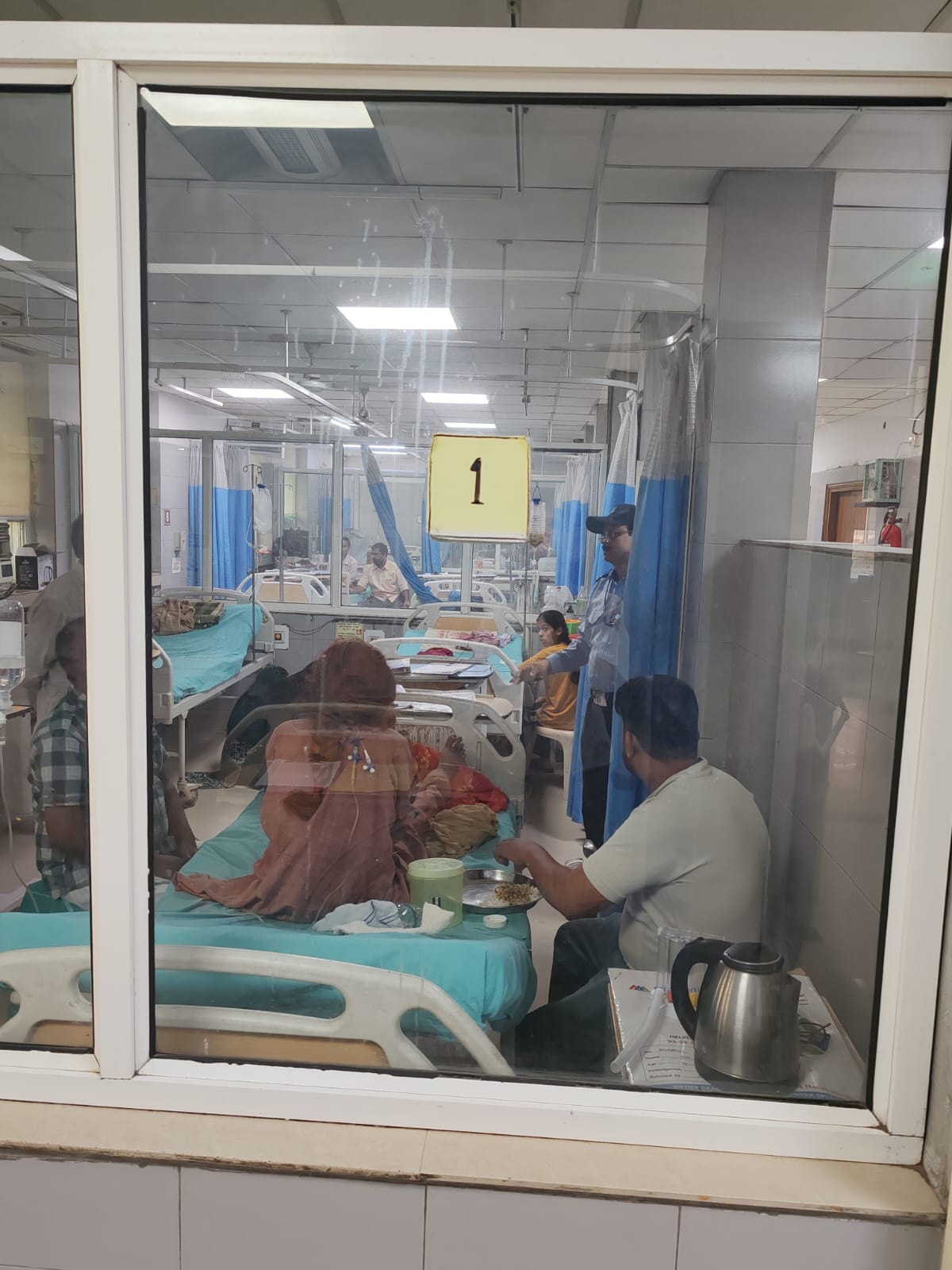
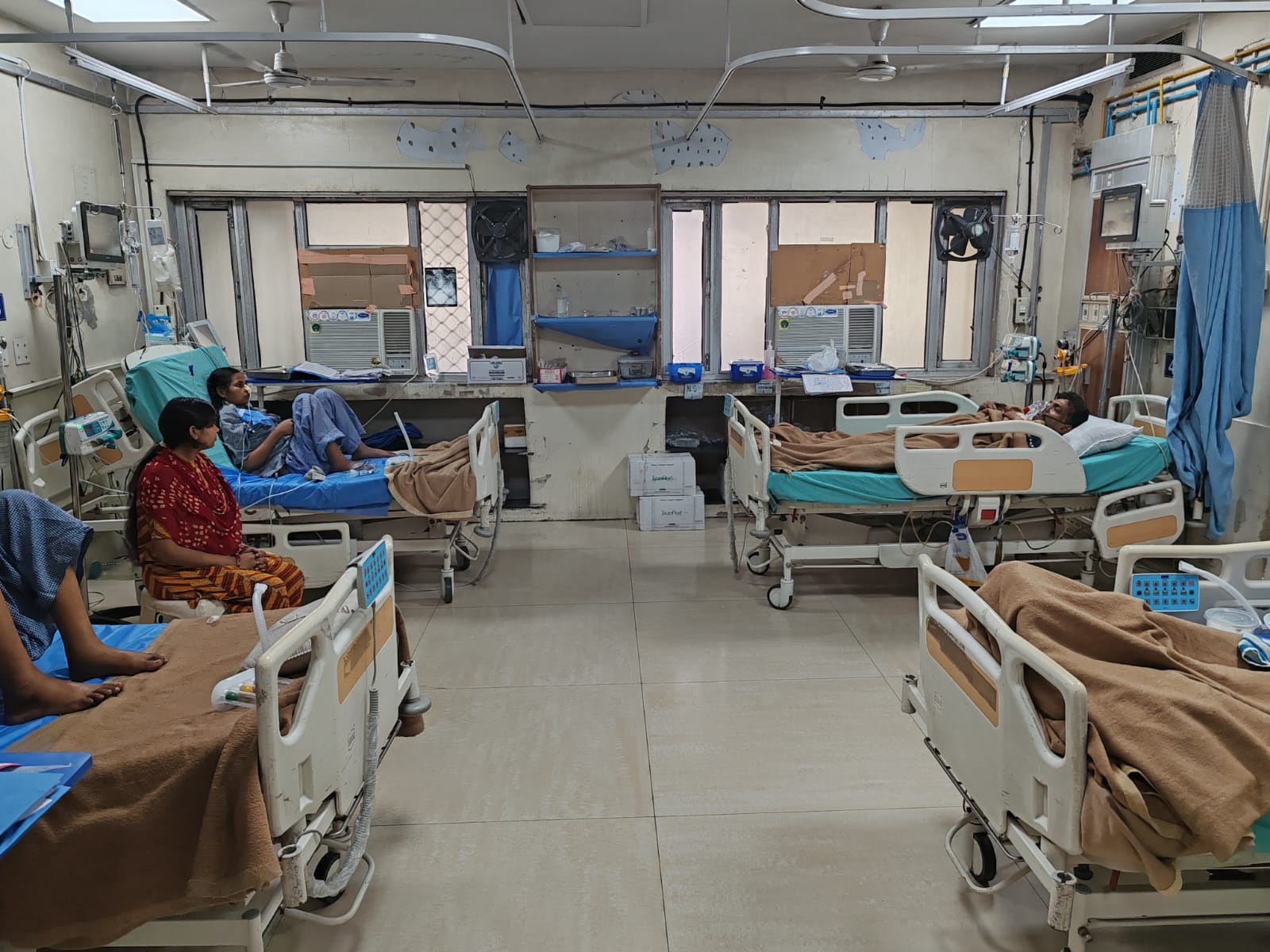
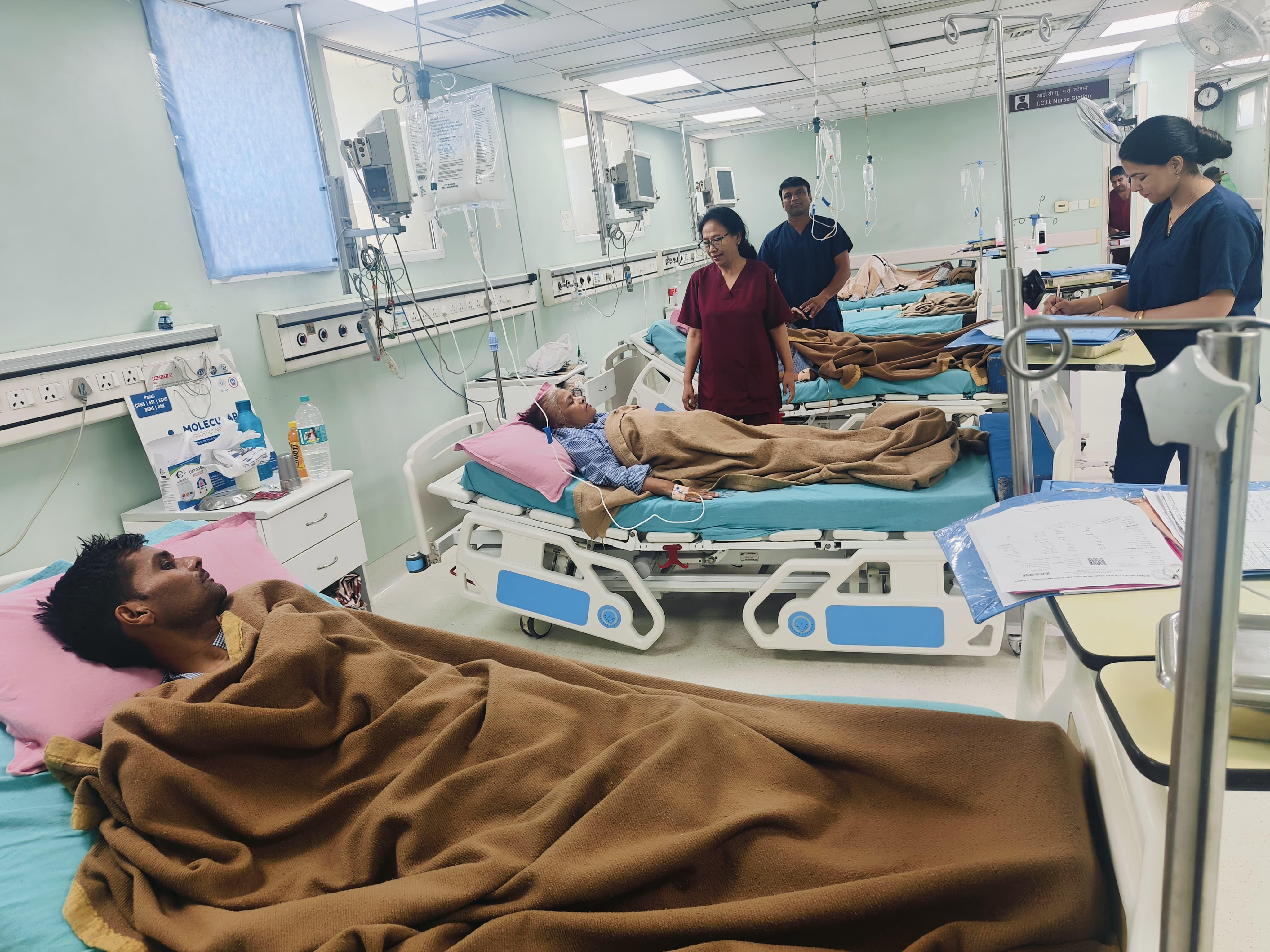
Wards (Total beds: 78)
- Ward 8: General ward with 42 beds, equipped with essential facilities.
- Ward 18: Six-bedded ICU/HDU dedicated to liver transplantation.
- Ward 24: Twelve-bedded GI Surgery ICU for critically ill patients.
- Ward 25A: Six HDU beds and six post-operative recovery beds.
- Ward 25B: Six beds for liver disease patients.
Operating Theatres
- OT 3: Located on the 4th floor of Amir Chand Block; dedicated to major GI surgeries performed via open and minimally invasive approaches.
- Liver OT: Located on the 3rd floor of A-Block; dedicated to liver transplantation.
The department performs approximately 1,200-1,300 major surgeries annually, including major hepatectomy, extended cholecystectomy, pancreaticoduodenectomy, bilio-enteric anastomosis, esophagectomy, gastrectomy, colectomy, anterior resection and portocaval shunt. About 40-50% of major operations are performed using minimally invasive techniques.
TRAINING AND ACADEMIC ACTIVITIES:
M Ch GI Surgery (five students/year): The M Ch programme began in 1992 and has since trained numerous GI surgeons who now serve in reputed departments worldwide. The department remains a preferred destination for postdoctoral training in GI surgery (M Ch). Trainees consistently secure top ranks to join the programme, reflecting the high standards of patient care and resident training.
Post-doctoral fellowship (two posts/year): This fellowship trains M Ch/DrNB graduates in advanced laparoscopic GI surgery.
Training programme for Army doctors (one seat): The department trains surgeons from the Army Medical Corps (AMC) through a well-structured two-year programme.
Visiting students/fellows (20-30 per year): Postdoctoral GI surgery/HPB surgery fellows and postgraduate surgery students undertake rotatory postings in the department.
Research and Publications:
The department actively undertakes clinical and translational research in hepatobiliary, pancreatic and gastrointestinal malignancies. Faculty and trainees contribute to peer-reviewed publications, book chapters and national/international conference presentations, and maintain prospective databases to support audits and outcome-based quality-improvement initiatives.
Research is conducted in accordance with institutional ethical guidelines and often involves multidisciplinary collaboration with medical gastroenterology, radiology, oncology, pathology, and other departments.
Future Plan
- Establish a structured liver transplant programme, with phased strengthening of infrastructure, multidisciplinary staffing, and peri-operative critical-care support.
- Introduce robotic surgery to expand precision minimally invasive options for complex GI and hepatopancreatobiliary procedures, alongside ongoing laparoscopic services.
PATIENT REQUIREMENTS:
- Aadhaar card or another government-issued ID.
- EWS/ration card (if applicable).
- An active mobile number.
- Referral from another hospital/department (if applicable).
- Complete records of prior investigations and treatment.
- At least one attendant for assistance.